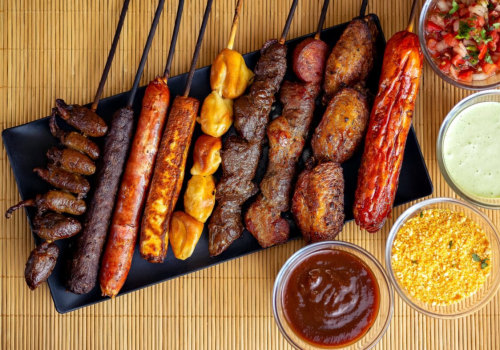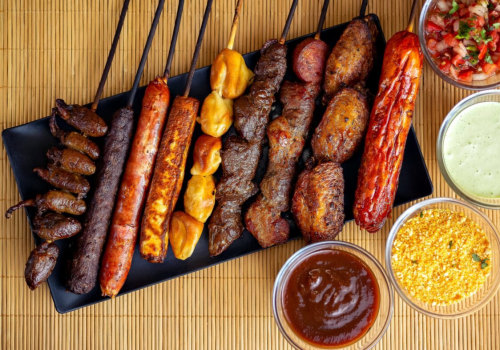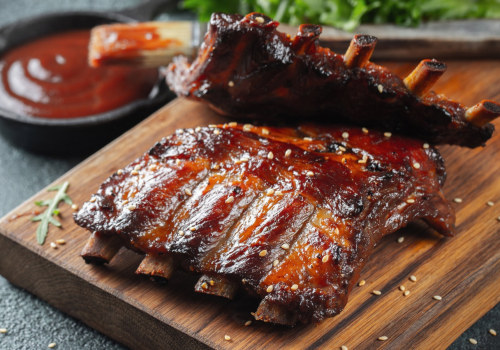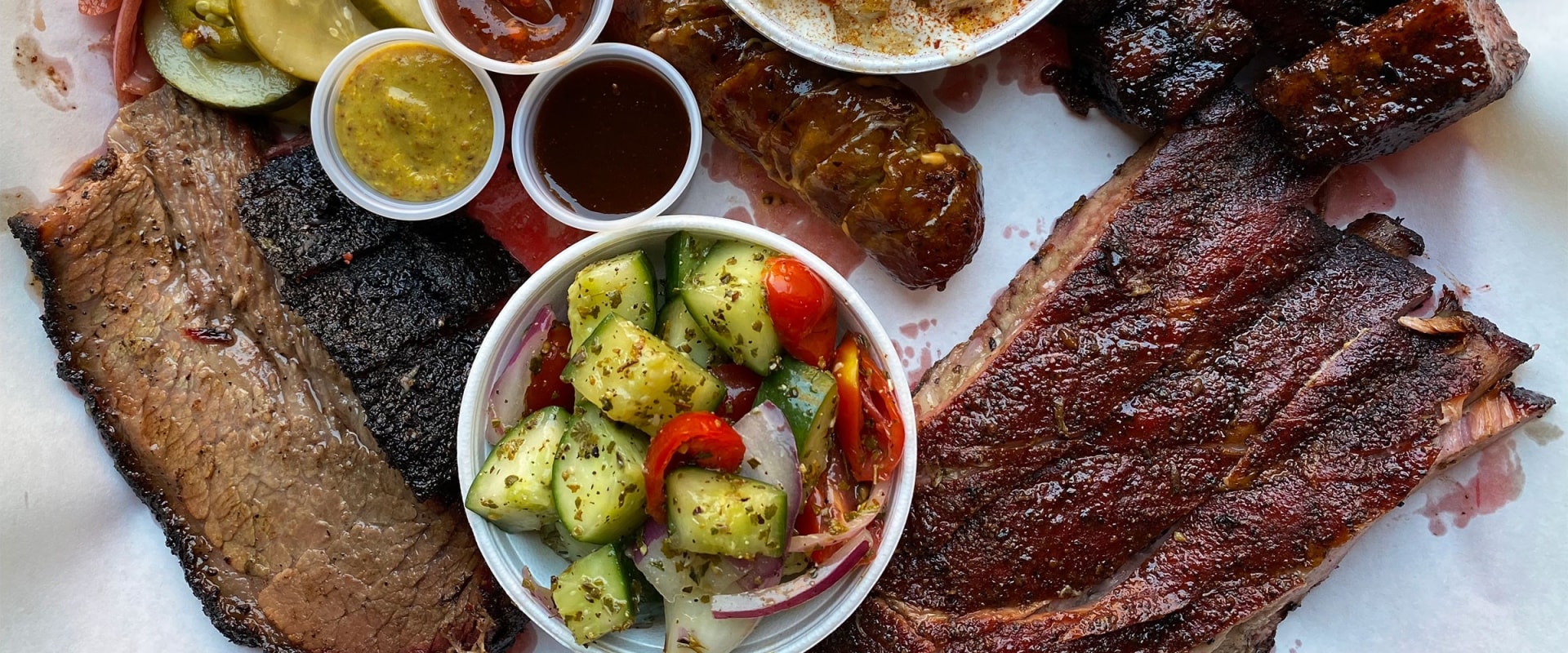
Kansas City barbeque has long held a legendary status in American culinary culture. Known for its slow-smoked meats, thick tomato-based sauces, and emphasis on flavor over spice, this style of barbeque has influenced countless other regional barbeque traditions across the United States. From brisket to ribs to burnt ends, Kansas City barbeque’s hallmarks—smoky aroma, tender texture, and rich sauces—have become benchmarks for barbeque enthusiasts, chefs, and pitmasters alike. The city’s commitment to variety, using nearly every cut of meat, also distinguishes it from other barbeque styles, which often focus on a single type of meat or preparation method.
Key Characteristics That Set KC Barbeque Apart
The defining characteristics of Kansas City barbeque are multi-dimensional. First, the technique of slow-smoking over a combination of woods—typically hickory, oak, or fruitwood—produces deeply layered flavors that influence how meats are treated in other regions. Second, the signature sauce, thick and slightly sweet with hints of molasses and tomato, has inspired sauces in other styles, even those traditionally more vinegar- or mustard-based, such as in North Carolina or South Carolina barbeque. Finally, the city’s approach to diversity—offering everything from pork to beef to chicken—has encouraged other barbeque traditions to expand beyond their original focus, embracing more variety in cuts and cooking methods.
Kansas City’s Influence on Other Regions
Over the decades, Kansas City barbeque has directly influenced chefs and pitmasters across the nation. For example, in Texas, where dry rubs and minimal sauce were historically preferred, some pitmasters have incorporated Kansas City-style sauces in competitions or for catering events to provide a sweet, rich contrast. Similarly, in the Carolinas, known for vinegar-based sauces, Kansas City barbeque techniques have inspired regional chefs to experiment with thicker, tomato-forward sauces, offering a hybrid flavor profile that balances tradition with innovation. Even beyond the South, in states like California and Illinois, Kansas City-style smoking techniques and sauce styles have been adopted in both casual restaurants and high-end culinary establishments.
Cultural and Culinary Exchange
The spread of Kansas City barbeque’s influence is not just about technique and flavor—it also reflects a broader cultural and culinary exchange. Television shows, food festivals, and competitions have highlighted the city’s barbeque traditions, allowing pitmasters from various backgrounds to learn and incorporate KC-style methods into their own practices. Cookbooks and online tutorials have further accelerated this exchange, making Kansas City barbeque a model for excellence in technique, preparation, and presentation. Even food entrepreneurs and restaurateurs, who might not be directly involved in the barbeque world, study Kansas City’s dedication to quality and branding as inspiration for their own businesses, a testament to its far-reaching impact.
Economic and Community Impact
Kansas City’s barbeque legacy has also had indirect economic and social influence. Local barbeque competitions, festivals, and restaurants have become significant tourist draws, and the city’s reputation as a barbeque hub has helped define its cultural identity. For many, understanding the business of barbeque parallels other industries: just as chefs build their brands and attract loyal customers, professionals in unrelated fields, including finance or real estate, understand the value of reputation and differentiation. It’s an idea that even someone like KC Mortgage Guy can appreciate—strong foundations, consistency, and community recognition matter whether you’re running a business, a restaurant, or a mortgage service.
Conclusion
Kansas City barbeque is more than just a regional cuisine; it is a standard-bearer for flavor, technique, and innovation in the barbeque world. Its influence is visible in sauces, smoking methods, and menu diversity across the country, inspiring chefs to adapt and elevate their own regional traditions. By emphasizing quality, variety, and creativity, Kansas City has left a lasting imprint on American barbeque culture, proving that one city’s culinary tradition can reshape tastes, practices, and expectations nationwide.